The system is built on the complementary needs for waste disposal and for heating. Waste incineration significantly contributes to the input of surplus heat that covers almost 96% of the heat needed in the district heating network. Further sources are CHP and industrial surplus. The district heating supplies almost 300.000 residential customers and 6.000 commercial building with heating, and has a market share of 37%. The goal for market share is a 50% share I 2015. Environmental benefits include lower CO2 emissions through fuel switch and higher efficiency.
One major and four small district heating networks in a municipality with 56000 inhabitants supplies 7000 flats, more than 100 public and commercial buildings and almost 800 single family houses with district heating. More than 80% of the heat comes as industrial surplus heat and from biomass. The recycled heat and the biomass have to a great extent replaced natural gas, heating oil and electricity for heating. The benefits have been lower primary energy demand and lower CO2 emissions. Among future aims are to lower temperatures in network to facilitate use of lower temperature surplus heat.
80% of the total indoor area in the city is heated by district heating and the figure continues to rise. The network is 350 km long, growing fast and has replaced thousands of oil boilers and reduced the amount of electricity used for heating. The district heating is complemented by a district cooling based on heat pumps and absorption refrigerators. The sources of heat are mainly bio fuels and waste whereas the input for district cooling is mainly heat pumps and absorption chillers.
From originally a configuration with block boiler houses, house boilers and heat exchange stations, the citys heating supply has been stepwise converted into a centralised district heating supply network. 25 km of new distribution networks has been built and about 20 block boiler houses and 40 boiler rooms on natural gas have been closed down. Emphasis has been place on conversion of production facilities to multi-fuel use, and biomass is now the dominant fuel for a system that supplies almost 10.000 households, schools, commercial building etc with district heating.
The district heating network supplies almost 5.000 consumers with district heating based mostly on waste incineration, with considerable contributions from geothermal heat and incineration of straw. The waste incinerator achieves efficiency of almost 93%, and both production facilities and distribution network are modern. A recently drawn op heat plan for the whole municipality aims at connecting a number of district heating systems to common transmission grid, thereby ensuring a large degree of supply reliability minimum usage of fossil fuels.
The city and its building owners faced a major decision after the oil crises about how to secure a reliable energy source and stable prices. An ensuing collaborative effort gave birth to a community district energy system. It provides heating to more than 80% of the business district, with over 185 buildings and 300 single family homes. It also provides cooling to more than 60% of the business district. It meets most of the heating needs with renewable thermal energy from a biomass CHP plant. It has achieved considerable reductions in emissions of CO2 and also of SO2 and particulates.
Two district heating systems have been integrated and the use of oil has been fully replaced by bio fuels and heat pumps. The basic idea is to produce, distribute and sell district heating, district cooling and energy services to the 100.00 inhabitants in the area. More than 90% of the buildings in in the two districts, including multi family houses, industries, commercial buildings, schools, etc, are connected to the system, which also includes a district cooling system using free cooling from a lake. A low environmental impact with very low CO2 emission has been achieved.
The city wide system provides district heating to more than 200.000 households and numerous of other buildings, and has 3 CHP plants as sources of heat. Over the last 20 years the system has expanded both in the share of CHP in the heat supply as well as in the size of the network. It has eliminated many small boiler plants, and thereby improved local air quality. And further expansion and incorporation of other networks is taking place. Also waste incineration has contributed to the achievement of benefits such as reduction in traditional pollutants as well of CO2 emissions and use of energy.
The system consists of a CHP plant and a 441 km heating network supplying more than 7.000 buildings, thereby covering more than half of heating demand in the city. Simultaneous heat, electric energy and ice water production enables the use of above 80% of energy contained in fuel. Further progress includes increased use of biomass to replace coal. Over 10 years more than 300 of its local coal resources have been eliminated and the existing gas and oil resources modernized. This has enabled significant reduction of CO2 emission, and almost complete elimination of SO2, soot and dust.
Under a public service concession a chilled water district network of seventy kilometres and with 290 MW of injected cooling power cools 475buildings. Every year 20 MW capacity is added. Apart from environmental and energy advantages, the district chilled water production plants centralize the consumption of resources for cooling under controlled circumstances. A further improvement has been the change from the traditional wet cooling towers to the use of river water. Results have been considerable with respect to savings in CO2 emissions and consumption of electricity and water.
A joint-venture which supplies more than 24,000 homes in the city with heat and domestic hot water. Between 1998 and 2009 the focus has been on connecting old coal and gas fired boiler rooms and houses and to the original, obsolete steam network with a new, safer and modern hot water network. The network has doubled to 100 km, with the hot water network accounting for more than half. The CHP plant has been modernized with new boilers and steam turbines. Increased efficiency as wall as reductions in CO2 and other emissions has been achieved.
District heating grids were established in the 60ies. New contracts were negotiated in 2006 to ensure further expansion of the grid on the basis of competitive and sustainable supply: integration of renewable energies (wood chip boilers and high-efficiency waste-to-energy plant), provision of energy advice and services for building owners and users. Measures taken have created more than 100 new jobs, reduced CO2 emissions by 81%, and increased the share of renewable to 84% and to reduced customer bills by 22%.
To increase the capacity of a server housing a facilities management was set up to carry out a true energy efficiency policy review, and to achieve overall savings in electricity, natural gas, and water consumption. Room air conditioning procedures were analyzed and seasonal heating and cooling needs were configured, temperature level reviewed and real-time monitoring of various users\’ needs was established. Results include elimination of natural gas consumption, a more than 85% reduction in the facilitys carbon footprint
The district heating system started in1951and has grown from smaller separate units into one large-scale system, and has grown as the city has expanded. The main fuels are industrial surplus heat, refuse incineration and high efficient CHP fuelled with natural gas. Approximately 65% of district heating supplied is renewable. Which has led to a decrease in CO2 emissions and less primary energy used compared with the past. A unique district energy system using of 100% locally renewable energy, such as solar, wind and water, has been established in part of the city.
A small municipality owned energy utility that during the last 30 year has built up a substantial district energy operation. High efficient CHP solutions, close to 100%, and the overall system design give an outstanding positive environmental impact. The fuel mix in the system is today more than 99% based on renewable fuels, mostly forestry residues. Through competitive pricing, environmental profile as well as development of innovative price models and customer services, the market demand for district heat supply is continuously high.
More than 90 per cent of the citys heating requirement is covered by district heating. District heat is produced by combined heat and power generation and is delivered to 93% of the buildings. The district heating network is expanded with more than 30 kilometres every year. District cooling load is 80 MW and the cooling is produces equally on heat pumps, absorption and free cooling.
District heating was started in 1953. Since then the system has grown and reaches today 90% of all blockhouses and 20% of the houses and terraced houses in Gothenburg. The district heating is based on over 80% recycled energy that would otherwise be lost. In the past 36 years the district heating has reduced CO2-emissions by over 90%. The utility was early to offer energy service agreements and in that way help their customers to save energy. Since the mid-1990s district cooling has developed and has for the past few years been produced by a plant using free cooling from a river, supplemented by absorption cooling.
The network started 25 years with the use of waste heat from an industrial plant. After closure of the plant in 1993, it was replaced with a bio fuel-based CHP-plant. Network expansion continued and another bio fuel-based CHP plant was added. Municipalitys energy plan stipulates that district heating is preferable and that energy production shall be based on renewable fuel. In 2010 98% of heat in the district heating system will be based on biomass. A small district cooling system is also installed. The system has led to considerable reductions of CO2 emissions.
About 1.200 apartments and terraced houses designed for low energy standard, supplied through an integrated energy concept which includes both reduced demand of heat and electricity and the use of renewable sources and efficient technologies for the generation of energy. The CO2-emissions of the housing area is close to zero and the heat prize for customers is less than from natural gas.
in a green district Renovation of the citys south-western neighbourhoods implementing renewable energy cooling and heating solutions for building HVAC services. It derives its energy from a heating and cooling power plant utilizing renewable energy such as cooling sourced steam and a waste-to-energy heating source. It achieves reduction in greenhouse gases due to less fossil fuel consumption and the use of highly efficient machinery and also reduces the release of refrigerant gases into the atmosphere.
Social and economic transformation has strongly influenced local heat distributors. It gave opportunity for application of advanced technologies. The heat market grew in size and competitiveness, and concerns for the environmental increased. The company incorporated as strategic goals: improvement of networks and minimization of emissions. To ensure this, the company modernized heat distribution system and eliminated inefficient heat sources. Both the scope of completed projects and the outstanding results were only possible with engagement of third party funds.
The pipeline network is forecasted to continue its growth until 2020, and at that time it will supply a total surface of 14.5 million m2 which represents 75% of the current heating surface of the city, comparing with current 40%. Innovative technological solutions have been implemented for the modernization of management of both the network and company administration. CO2 emissions are reduced considerably through removal of 64 independent coal-fired boiler houses in 2008, and another 12 in 2009. Reduction is estimated at 5.2 million tons of indirect CO2 emission over 25 years.
The district heating network covers a large portion of the urban community. The network was initially designed to recover surplus energy from the local steel works. Adding three cogeneration units and a second surplus heat heat capture unit at the steel plant, increased the share of recovered energy in the network to 90%. The heating network is an essential component of the regions environmental policy, and enables the community to maintain and enhance the regions reputation as a leading industrial area.
The system covers 98% of the heat demand in the municipality with heat from CHP plants and waste incineration. The system is part of a coherent district heating system in greater metropolitan area, covering city center and 15 suburban municipalities. Two heat transmission companies transport heat from 10 CHP plants to local distribution system. A heat plan is part of the citys climate plan, where the municipality sets the target of a 20% CO2-reduction by 2015 and a vision to be completely CO2-neutral by 2025.
A municipally owned company that handles refuse and production of district heating, cooling and electricity in the municipality. 35.000 of the citys 64.000 inhabitants rely on its district heating system, which receives it energy from a CHP plant using biomass, waste and landfill gas. The system also includes a scheme for district cooling. The city also uses biodegradable household waste in the production of biogas for transport (covering most of local bus transport) and production of fertilizer. This leads to considerable reductions in CO2 emissions.
The 200 buildings of the university campus are connected through a district energy system with all utilities centrally generated on campus. The campus is constantly growing both in physical size and energy demands. All utilities on campus are generated from natural gas. However, due to the high efficiency by the campuss district energy system, and advances in the efficiency and operations in utilities generation, carbon emissions have been held at steady levels in spite of constantly increasing campus demands.
District cooling was established in Gothenburg in 1995 through decentralized cooling units based on chiller absorption technology. Between 1995 and 2006, 16 decentralized “cooling islands” were developed, serving around 40 buildings with a total cooling demand of 40 MW. These systems produced approximately 50 GWh of cooling energy each year. In 2006, a business development programme examined the possibility of connecting the cooling islands into a large-scale district cooling system. The objective was to expand the market and develop the system to reach 100 MW of cooling capacity.
Marina Bay is a new business district in Singapore where district cooling was identified as a suitable urban utility to serve the planned commercial area. An investor-owned district cooling system has operated since May 2006 and now consists of two interconnected plants. The system includes a 5 km piping network installed in common service tunnels. It provides reliable chilled water at a regulated temperature for commercial activities. Its higher energy efficiency compared with individual building systems results in significant reductions in equivalent carbon emissions.
The City of Paris aims to reduce greenhouse gas emissions and energy consumption while increasing the share of renewable energy. Climespace operates Europe’s largest district cooling system, with more than 140 km of network and 325 MW of installed capacity serving nearly 500 customers. The system provides cooling to major sites such as the Louvre Museum, helping preserve artworks and improve visitor comfort. Since the late 1990s, Climespace has improved energy efficiency through Seine River water cooling, renewable cold sources and optimized facility management.
Wien Energie Fernwärme built a 17 MW district cooling plant at the Spittelau waste-to-energy plant, which became operational in July 2009. The system uses existing heat and energy from waste incineration to produce district cooling through absorption systems. This approach reduces CO₂ emissions by approximately 79% compared with conventional building air-conditioning systems. Customers receive cooling through a district network and no longer need individual cooling plants. The project was planned for further expansion across Vienna, with a target of up to 200 MW of cooling capacity.
Helsingin Energia operates one of Europe’s largest and fastest-growing district cooling systems. The innovative approach focuses on transferring surplus heat to areas of demand rather than simply producing cooling. This creates new opportunities for district cooling while also improving the efficiency of district heating and electricity production. The system reduces primary energy consumption by nearly 100,000 MWh per year and CO₂ emissions by around 25,000 tonnes. District cooling has become the most significant single factor in reducing CO₂ emissions in Helsinki’s city centre.
The Birmingham District Energy Scheme was designed, built, financed and operated by Cofely District Energy. The first phase, Broad Street, became operational in 2007 and was later expanded to Aston University and Birmingham Children’s Hospital. The scheme serves more than half a million square metres of buildings and saves approximately 9,500 tonnes of CO₂ emissions each year. Consumers also benefit from energy cost savings of more than £300,000 annually compared with conventional energy supplies. The long-term goal is to connect the separate networks into a city-wide thermal network.
The Kakola heat pump plant uses treated wastewater as a source of waste heat instead of discharging its energy directly into the sea. The recovered heat is used to produce district heating and cooling for homes and public buildings in Turku. The wastewater treatment plant processes more than 100,000 m³ of wastewater every 24 hours. Heat recovery takes place after the treatment process, before the water is discharged to the sea. The system also continues to use the wastewater for district cooling.
The Larch Garden II project is the first worldwide demonstration of an efficient district heating system designed for low-energy buildings. The project aims to reduce the district heating supply temperature to 50°C without reheating at either the consumer or district heating site. Two types of low-temperature substations and new twin pipes with reduced diameters were developed and tested. The project demonstrated that district heating can be economically viable in areas with low energy demand. It also provides a high level of comfort for users.
Farmers in Zeewolde operate wind turbines and biogas plants, while the dairy farm of Gert Jan van Beek produces renewable electricity and heat for the Polderwijk residential area. In 2006, Essent Local Energy Solutions won a 30-year concession to develop a climate-neutral district energy system at a reasonable price. Essent invested in the district heating network and energy station, while Van Beek installed a 1.1 MW cogeneration unit. Raw biogas is transported 5.5 km from the farm to the Polderwijk, with renewable heat distribution starting in January 2009.
The Lerwick District Heating Scheme serves the capital of Shetland and was developed to address the islands’ high heating demand and waste management challenges. The scheme started in 1998 and uses energy recovery to provide a locally controlled heat source. After a slow start, it expanded significantly and added a thermal storage tank to meet growing demand. By 2007, demand had become so high that new connections were limited mainly to social needs. The scheme is owned by Shetland Charitable Trust and operated by SHEAP.
Amsterdam’s district heating programme began in the early 1990s, with the city deciding in 2005 to expand the network to new construction projects wherever feasible. The system reduces CO₂ emissions by 50–80% and grew to 50,000 consumers in 2010. The City of Amsterdam and NUON cooperate through WPW to further expand district heating. NUON also developed district cooling using deep lakes as a natural cold source, reducing CO₂ emissions by 75% and avoiding harmful cooling fluids.
The development of district heating in Torino began in the 1980s as part of the energy strategy of the Piedmont Region, Torino Provincial Administration and Municipality. IREN Group designed and built the Torino Sud and Torino Centro district heating networks. The new Torino Nord project will further expand the system across the city. Together, these networks will provide district energy to more than 60% of Torino. The expanded system is expected to serve around 560,000 inhabitants.
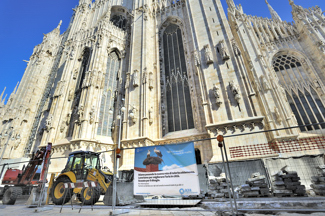
The district heating service in Milan started in the early 1990s, mainly using heat from WTE plants and natural gas-fired CHP plants. The city operates several large district heating networks, including the Canavese network. A programme was developed to interconnect these networks and optimise the overall system. A2A Group and the Municipality of Milan planned to expand the network by increasing production capacity and extending heat distribution. The goal was to serve more than 600,000 inhabitants equivalent and reach 1,200 MWt of installed thermal capacity.
The SWRO has operated a district heating network in Rosenheim since 1955. The power plant was expanded with waste incineration in 1963 and gas engines in 2004. Since 2008, the network has been significantly expanded to increase the share of district heating. Heat and electricity are produced using natural gas and waste, with an overall efficiency of just under 70%. The system reduces emissions by replacing other fuels and inefficient coal-based electricity production.
The Berlin Climate Protection Agreement between Vattenfall and the State of Berlin aims to significantly reduce CO₂ emissions, with the expansion of district heating as one of the key measures. Vattenfall Europe Wärme AG began constructing a new district heating network in Spandau in 2007, with an investment of approximately €60 million over nine years. The project planned to connect 121 MW of capacity, equivalent to around 35,000 households. Heat is generated using a 93% environmentally friendly combined heat and power process, avoiding approximately 48,000 tonnes of CO₂ emissions overall.
The STHAL network was created in 1969 to supply the northern districts of Melun and became the first district heating network in France powered by geothermal energy. The same geothermal source is used to provide both heating and domestic hot water, which are distributed through separate networks. This unique system supplies around 4,000 housing units and 2,000 equivalent housing units in public buildings. The project demonstrated an innovative use of geothermal energy for urban heating and remains a distinctive feature of Melun’s district energy system.
DISTRICLIMA was established in 2002 to develop Spain’s first district heating and cooling network for heating, air conditioning and domestic hot water. The network began operating in 2004 in a redeveloped area of Barcelona around the Forum Area. In 2005, following a public tender, the network was extended to the 22@ technological district. Today, Districlima is the largest urban district heating and cooling network in Spain.
Seattle Steam began producing steam from a biomass boiler in 2010, using clean urban waste wood from local sources. This initiative is expected to reduce CO₂ emissions by approximately 45,000 tonnes annually. The biomass project is part of Seattle Steam’s broader environmental initiatives. In partnership with the City of Seattle and a local energy services contractor, the company also implemented energy-efficiency retrofits in customer buildings. The project combines renewable fuel use with energy efficiency to create a more sustainable steam network.
Veolia Energy North America acquired the district energy network in Cambridge in 2005 and modernised it by installing a 14-inch pipe across the Charles River to export cogenerated steam from the Kendall Station CHP plant. The network uses waste heat instead of steam produced from natural gas and fuel oil. This has reduced local CO₂ emissions by around 150,000 tons per year, equivalent to removing nearly 25,000 vehicles from Boston’s streets. The system now supplies process steam to biotechnology companies, while also contributing to sustainable building certifications such as LEED Platinum.
Borås aims to become a fossil fuel-free city by replacing fossil energy sources with renewable alternatives in both heating and transport, while producing enough renewable electricity to meet the city’s needs. The city has developed a recycling model that transforms waste and other local resources into district heating, district cooling, biogas and electricity. Key achievements include the commissioning of a large accumulator tank and a biogas plant. The project has also reduced flow temperatures in the district heating network and lowered nitrogen oxide emissions.
Helsingborg’s district heating system focuses on using available excess heat from the city to reduce primary energy consumption. Today, 78% of residents are connected to the district heating network. Since the major changes introduced in the mid-1990s, the system has reached 98% renewable heat production. The district heating system has also reduced CO₂ emissions in Helsingborg by around 340,000 tonnes. This project demonstrates how local excess heat can be used to create a more sustainable energy system.
Västermalmsverket is a combined heat and power plant producing both heat and electricity. The installation of an absorption cooling machine reduced electricity consumption compared with conventional cooling systems. At the same time, it increased electricity production at the plant. Falun is also developing a wood pellet factory to produce more renewable electricity during summer, when heat demand is lowest.
The district heating system in Ploiești is a municipal scheme providing heating and hot water to around 57,900 apartments, 71 public institutions and 753 private companies. Despite being around 40 years old, it is considered one of the most efficient district heating systems in Romania. Improvements have reduced primary energy consumption by 30% per Gcal delivered to users. The system achieves over 90% boiler efficiency and has significantly reduced CO₂, SO₂ and NOx emissions. Network losses are below 14%, while the number of connected customers continues to increase.
The district heating network in Tarnowskie Góry has existed since 1976 and was originally part of the FAZOS plant. After becoming a municipal company in 1997 and being privatised in 2003, it came fully under Dalkia’s ownership in 2008. Since 2004, the network has been progressively modernised and expanded. Local municipal boiler houses and individual coal-fired heating sources have gradually been eliminated. This has helped reduce low-emission sources and improve the efficiency of the district heating system.
The district heating system in Poznań provides energy-efficient heat and hot water to more than 360,000 end users. The programme, initiated by Dalkia, focuses on extending the network into historical residential areas previously heated by individual coal-based sources. This helps reduce low-level emissions and improve air quality by replacing poorly controlled heating systems. The project also supports the city’s wider economic and social regeneration programme. For Dalkia, it offers an opportunity to expand the network independently of new construction projects.
Stadsverwarming Purmerend B.V. took over the district heating network from the municipality in 2007. The network, originally launched in 1980, serves around 25,000 customers, including households and businesses. A 2008 analysis revealed major financial, sustainability and customer satisfaction problems. A new business plan was introduced in 2009 to create a more reliable and cost-effective system. The objective was to transition towards a future-proof network using 80–100% renewable heat.
Litesko launched the project to reduce air pollution caused by emissions from a woodchip boiler. Solid particle emissions varied between 400 and 800 mg/m³ depending on fuel quality, exceeding the permitted level of 400 mg/Nm³. A flue gas recovery and cleaning system was therefore installed. The system allows additional energy to be recovered while reducing solid particles. It also helps lower CO₂, CO and NOx emissions.
The Akmene district heating system was leased in 2000 for modernization after 30–40 years of operation and very poor efficiency. The network suffered from high energy generation inefficiency and major technical losses, while coal and crude oil were still being used. Modernization significantly improved the system’s performance and sustainability. Heat transmission losses were reduced from 45% in 2000 to 8.8%. The project also achieved savings in fuel and electricity consumption.
Following the energy crisis of the 1970s, Ferrara launched a geothermal project to use local geothermal resources for district heating. The aim was to reduce the environmental impact of traditional fuels such as coke, oil and natural gas. From the beginning, the project also integrated other local energy sources, particularly waste-to-energy. This approach followed the principles of an integrated energy system. The district heating network was later expanded with a greater use of renewable energy sources.
Wuerzburg developed its district heating system around a municipal cogeneration plant built in 1954 to produce both electricity and heat. Coal was initially used as the main fuel due to the resources available at the time. Steam was used as the heat transport medium through the city centre, representing advanced technology for the period. With energy market liberalisation and growing climate concerns, the coal-based plant was modernised in 2003. The modernization replaced coal with a gas-based cogeneration system.
The Val Maubuée district heating network supplies around 4,756 equivalent homes in Lognes and Torcy. The installation of a geothermal plant and a geothermal doublet has allowed the network to integrate a renewable energy source. This project is expected to reduce CO₂ emissions by around 9,000 tonnes per year. It could also reduce heating bills by up to 30% while limiting exposure to fossil fuel price fluctuations. The project combines environmental benefits with lower and more stable heating costs.
The Grenoble urban area has developed a modern district heating network focused on sustainable energy and local resources. Over 50 years, the share of renewable and recovered energy increased from 0% to 54%, while the heat supplied to customers multiplied by 30. The Villeneuve plant was converted from coal to locally sourced recycled wood. With an investment of €7 million, the project now uses over 39,000 tonnes of recycled wood annually. This replaces 15,000 tonnes of coal previously imported from South Africa.
Helsinki chose district heating as its main heating solution as early as the late 1940s, combining heat and electricity production through CHP. The system rapidly expanded and improved air quality by eliminating the need for individual building chimneys. CHP achieves fuel efficiency of over 90%, compared with just over 40% for separate production. Helsinki also produces district cooling alongside heating and electricity. Today, over 90% of the city’s heated buildings are connected to district heating, with over 90% of district heat produced through cogeneration.
Nyborg’s district heating system was established in 1964 and has continuously adapted to the town’s growth and changing energy challenges. For more than 35 years, its development has focused on increasing the use of surplus heat from local industrial production. Through cooperation between NFS A/S and two chemical plants, waste heat is recovered and supplied to the district heating network. This surplus heat is now sufficient to cover around 87% of the town’s district heating needs. The system provides consumers with an economical and reliable heat supply.
Gothenburg’s district heating system originally consisted of eight separate heating networks powered by oil-fired plants. Rising oil prices made the system economically unsustainable, leading Göteborg Energi to connect the eight networks into one large system. From the 2000s, the city increasingly integrated waste heat from power plants, refineries and waste incineration. The Rya heating plant was also converted from natural gas to wood pellets in 2003. Today, nearly 80% of Gothenburg’s district heating comes from recovered waste heat.
Enköping’s district heating system was initially powered by oil boilers, but concerns about imported fossil fuels led to a shift towards domestic bioenergy. Enköpings Värmeverk was established by the local government in 1972 to operate the system. In 1979, woodchip boilers were installed and experiments with different biofuels continued throughout the 1980s. The project helped improve energy security by replacing imported fossil fuels with locally available renewable resources.
The District Energy Sharing System (DESS) is a unique solution designed to reduce energy consumption and greenhouse gas emissions. It has demonstrated significant energy savings through installations such as the Whistler project. The system has attracted international interest and received several industry awards and recognitions. Studies and user feedback confirm the energy-saving performance of connected systems. DESS provides an efficient approach to reducing both energy costs and environmental impacts.
Energicentralen is a jointly owned district energy plant developed by Grundfos and Bjerringbro Varmeværk. It combines heating and cooling through five compressors and a nearby aquifer thermal energy storage system. The plant produces 13,400 MWh of district heating and 14,000 MWh of cooling annually. The project reduces fuel costs and around 3,700 tonnes of CO₂ emissions each year. It demonstrates the benefits of equal cooperation and shared investment between industry and district heating.
Veolia Energy Philadelphia modernized its district energy network to improve efficiency, reliability and environmental performance. The project introduced rapid-response natural gas boilers and expanded the firm gas supply infrastructure. These upgrades allow the 163 MW cogeneration plant to meet the full district energy demand during peak periods. The project is expected to save 4.9 million MMBTU of energy and 1.4 million tonnes of GHG emissions over its lifetime. It supports more reliable and sustainable heating for over 500 buildings in Philadelphia.
The Stanford Energy System Innovations (SESI) project modernized Stanford’s campus district energy system. It replaced gas-fired CHP and steam distribution with electric heat recovery and hot water distribution. The system reuses waste heat from the chilled water network to supply around 80% of campus heating needs. It improves efficiency by 52%, cuts campus GHG emissions by half and reduces drinking water use by 20%. The project provides a highly efficient and sustainable energy system for Stanford.
The study develops a low-cost system to measure the thermal conductivity of insulation in district heating composite pipes. It compares unused and used plastic jacket pipes to assess the effects of long-term aging on PUR insulation. More than 200 measurements showed that pipes operating for over 20 years had less than a 10% increase in thermal conductivity. The results indicate better insulation durability than previously expected from artificial aging studies. The project demonstrates the potential of affordable testing systems for district heating pipes.
JKP “Beogradske elektrane” has explored replacing coal with biomass in existing heating boilers. Wood briquettes and pellets can be used without major boiler modifications while maintaining similar thermal output. The switch significantly reduces CO₂, NOx, particulate emissions and ash compared with coal. Biomass storage and handling are also simpler and more environmentally friendly. The project supports renewable heat production while improving energy efficiency and air quality in Belgrade.
The EnergyPLAN model analyzes complete energy systems and evaluates the role of district heating and cooling. It has been used to develop sustainable energy strategies for Denmark and European cities. Studies such as Heat Road Map Europe show the potential of expanding district heating across Europe. The model also supports local energy planning in cities such as Aalborg and Frederikshavn. EnergyPLAN is available as free software for energy system analysis.
Energicentralen is a jointly owned district energy plant developed by Grundfos and Bjerringbro Varmeværk. The system combines heating and cooling with five compressors and an aquifer thermal energy storage system. It produces 13,400 MWh of district heating and 14,000 MWh of cooling annually. The project reduces CO₂ emissions by around 3,700 tonnes per year while lowering fuel costs. The equal partnership allows both companies to share the investment and annual savings.
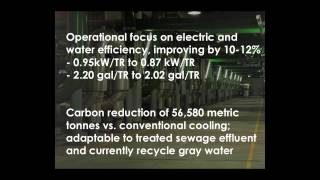
The project replaces potable water in district cooling plants with treated sewage effluent (TSE). Reverse osmosis is used to treat and blend the water to match the required chemical properties. This reduces the use of valuable desalinated domestic water and limits contamination risks. The solution also provides significant financial savings for district cooling operators. It demonstrates an economically viable approach to improving water efficiency in Dubai’s cooling systems.
The Drammen district heating project uses Star Refrigeration’s Neatpump to recover renewable heat from seawater and other natural sources. The system provides up to 15 MW of heat for more than 6,000 homes and businesses. It uses ammonia as a natural refrigerant, avoiding high-impact synthetic HFC gases. Hydropower supplies the electricity, making the system’s carbon emissions virtually zero. The project demonstrates large-scale renewable heat pump technology for district heating.
The Velenje district cooling system uses absorption chillers powered by heat from the existing district heating network. The district heating system itself is supplied with surplus heat from a power plant. Using this heat for cooling improves network performance during low-demand summer periods. It also produces cooling without relying on electricity-intensive compressor technology. The project therefore improves energy efficiency and makes better use of surplus energy.
The Co-Op City CHP project modernized the heating system of a large residential complex in the Bronx. The new 40 MW plant combines high-pressure boilers, combustion turbines and heat recovery steam generators. It provides reliable electricity and heating while allowing the complex to operate independently from the local utility. The system reduced greenhouse gas emissions by over 50%, or around 143,105 tonnes per year. The project also improved energy efficiency and resilience during events such as Hurricane Sandy.
Con Edison operates one of New York’s largest district steam systems, providing reliable steam services across Manhattan. The system uses cogeneration to produce electricity and useful steam with high efficiency. In 2012, 64% of supplied steam came from cogeneration, avoiding around 430,000 tonnes of CO₂ emissions. The centralized system also reduces local air quality impacts and building operating costs. Con Edison continues to modernize the network while improving efficiency, reliability and environmental performance.
The microturbine CHP system produces both electricity and heat using natural gas. A compressor ensures the gas reaches the required pressure for efficient operation. Exhaust gases can be directed through a heat exchanger to recover heat for the district heating system. The recovered heat supplies water at 90°C and returns it at 70°C. The system improves energy efficiency by combining electricity generation with useful heat recovery.
Bromölla has developed a district heating system that replaces fossil oil with surplus heat from a local pulp and paper industry. The project is based on cooperation between local industries and the municipality. Renewable biodiesel is used as a backup fuel to ensure a secure heat supply. The system provides affordable and climate-friendly heating to around half of Bromölla’s population. It also reduces imported fossil fuel use while supporting local jobs.
The PNUW project uses large-scale solar thermal energy to support heating and hot water for Princess Nora University. The system combines 36,305 m² of solar collectors with existing 70 MWth oil-fired boilers. The solar installation provides up to 25 MWth of renewable heat while reducing conventional fuel consumption and emissions. The system was specially designed to withstand Riyadh’s extreme heat, sandstorms and occasional freezing temperatures. The project demonstrates how solar thermal energy can be integrated into large district heating systems.
Joensuu has developed a trigeneration concept that adds bio-oil production to its existing district heating and CHP system. The project uses local biomass to produce bio-oil while reducing fossil fuel use and improving energy efficiency. Bio-oil production is expected to reduce greenhouse gas emissions by around 60,000 tonnes per year. The system also supports local businesses and creates around 50 jobs in the biomass supply chain. Joensuu demonstrates how district energy can expand into new sectors while supporting a low-carbon local economy.
The Texas A&M University CHP project improves energy efficiency across the university’s large campus utility system. The upgrade includes a 32.5 MW gas turbine, heat recovery steam generator and an 11 MW steam turbine. The system supplies electricity and recovered heat for campus heating and domestic hot water. The project achieved over $1 million in savings during its first month of operation. It also supports lower energy consumption, improved reliability and more sustainable campus operations.
Cornell University launched its Beyond Coal Initiative to reduce campus emissions and move away from coal-based heating. The project introduced a combined heat and power plant using natural gas turbines and heat recovery steam generators. The system reaches nearly 80% operational efficiency and provides most of the campus electricity and heating. Eliminating coal use reduces greenhouse gas emissions by around 55,000 tonnes per year. The project serves approximately 150 buildings across Cornell’s central campus.
The Aberdeen Heat & Power network supplies district heating and CHP to around 1,750 flats and 9 public buildings. The system has reduced carbon emissions by 45% and typical tenant fuel costs by around 50%. AHP continues to expand the network towards Aberdeen city centre and other public buildings. The company is also exploring renewable fuels such as biomass and biogas. A biogas fuel cell project will provide heat, electricity and hydrogen for the Council’s vehicle fleet.
The Sunstore4 project in Marstal combines solar thermal energy, biomass and heat pumps to create a 100% renewable district heating system. The system includes a 75,000 m³ seasonal heat storage and ORC electricity production. Solar thermal provides 55% of the annual heat, biomass 40% and the heat pump 5%. The consumer-owned cooperative keeps heating costs stable and reduces dependence on fossil fuels. The project demonstrates a flexible and sustainable district heating model based on local renewable energy.
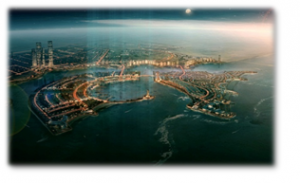
Qatar Cool provides large-scale district cooling solutions for residential, commercial and industrial areas in Qatar. Its Integrated District Cooling Plant on The Pearl-Qatar has a capacity of 130,000 tons of refrigeration. The plant uses 52 centrifugal chillers and is operated through a centralized SCADA system. It can also use treated sewage water and reuse cooling tower water for irrigation. The system serves more than 3.9 million m² and around 45,000 residents across over 100 towers.
Twence developed a system to recover surplus heat and steam from waste-to-energy and biomass plants. The project supplies heat to Enschede’s district heating network and steam to AkzoNobel’s salt production plant. These solutions replace gas-fired boilers and CHP plants while improving the use of energy from waste. Between 2011 and 2012, the projects saved over 120 million Nm³ of natural gas and avoided around 220,000 tonnes of CO₂. The system demonstrates how waste heat can support efficient and sustainable energy supply.
District Energy St. Paul integrates district heating and cooling with biomass, CHP and solar energy. The system serves more than 32 million square feet while operating twice as efficiently as the former steam network. Solar thermal, waste heat and renewable fuels help reduce emissions and improve energy efficiency. The system also uses smart metering, customer data and advanced controls to optimize performance. The project demonstrates how integrated district energy can reduce carbon emissions while improving reliability and fuel flexibility.
Falu Energi & Vatten has developed a climate-neutral energy system combining district heating, cooling and electricity production. The Västermalmsverket plant uses biomass and an absorption cooling system to improve energy efficiency. A wood pellet factory also increases renewable energy production during periods of low heating demand. The system reduces around 145,000 tonnes of CO₂ emissions annually. The project demonstrates an integrated and sustainable bioenergy solution for Falun.
Helsingin Energia’s smart city solution combines CHP, district heating and district cooling to maximize energy efficiency. The system uses four CHP plants and recovers waste heat from across the energy chain. It supplies over 90% of Helsinki’s heating demand while also producing electricity and cooling. Energy storage, customer monitoring and optimization help improve efficiency and reduce energy consumption. The company aims to achieve CO₂-neutral energy production through continuous development of new solutions.
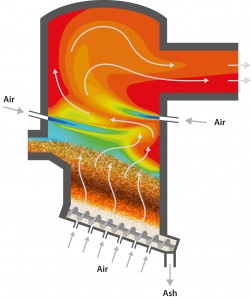
The Dall Energy biomass furnace combines updraft gasification with gas combustion to create a simpler and more efficient system. It can operate flexibly between 10% and 100% load while reducing emissions and fuel costs. The technology improves heat recovery and produces very low dust emissions. It can be used in biomass plants from 3 to 20 MW using wood chips or peat. The system has already been implemented in district heating and industrial plants in Denmark and the USA.
KJKP Toplane – Sarajevo operates the largest district heating system in Bosnia and Herzegovina. The network consists of 138 boiler plants with a total installed capacity of 503 MW. It uses mainly natural gas, with light and heavy fuel oil as alternative fuels. The system includes 82 km of distribution network and 146 heating substations. It supplies heating to over 50,000 apartments, 1,492 buildings and 2,471 business premises.
The Vilnius Actual Energy Consumption Class (AECC) tool helps residents understand and improve the energy efficiency of residential buildings. It ranks buildings into 15 classes, from the most efficient to the least efficient. The methodology removes factors such as weather conditions and building size to enable fair comparisons. Residents can use the online tool to compare their building’s heat consumption with similar buildings. The project encourages more efficient energy use through transparency and public awareness.
Milan has expanded its district heating network by interconnecting several smaller systems across the city. The €200 million investment enables greater recovery of waste heat and renewable heat from groundwater. Heat recovery from waste-to-energy plants increased by 280% over five years. Heat delivered to customers doubled from 453 to 909 GWh between 2008 and 2013. The project supports a more efficient and sustainable district heating system for Milan.
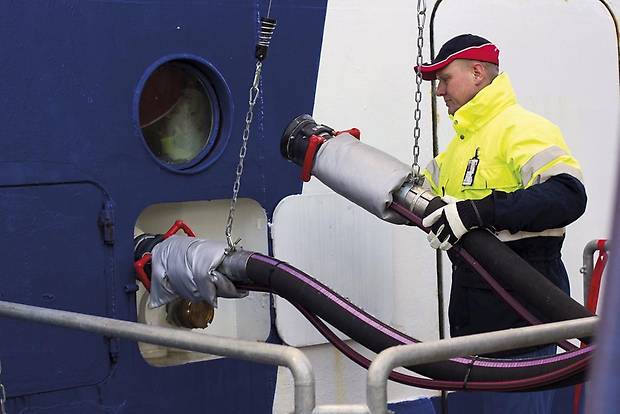
The Stena Danica became the first passenger ship in regular service to connect to a district heating network. The project replaces its oil-fired boilers with district heating while docked in Gothenburg. It reduces CO₂ emissions by up to 500 tonnes per year and cuts SOx and NOx emissions by more than 90%. The system also reduces local noise and demonstrates a new use of district heating beyond buildings. The project was developed through cooperation between Göteborg Energi, Stena Line and the City of Gothenburg.
Caligo technology combines wet scrubbing and heat pump technologies to recover heat from biomass plant flue gases. The system enables efficient heat recovery from very wet fuels and can save up to 35% of heating energy. It also reduces electricity consumption while improving the economic performance of biomass plants. Wet scrubbing removes particles and SO₂, while the condensed water is treated before discharge. The plug-and-play system is designed for biomass plants between 3 and 20 MW.
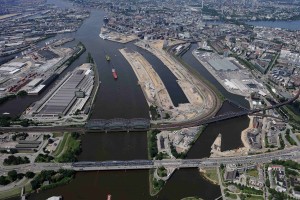
The HafenCity East project is developing a sustainable district heating network in Hamburg’s major urban redevelopment area. The system combines biomethane and natural gas CHP, a wood-fired biomass plant and a heat pump. More than 90% of the heating demand will be supplied by renewable energy sources. The decentralized network will expand gradually as new neighbourhoods are developed. The project aims to provide highly efficient heating with very low CO₂ emissions.
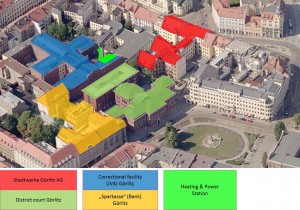
The EEQ2 project in Görlitz replaces outdated heating plants with an efficient district heating system. The system combines natural gas CHP, condensing gas boilers and hot water storage. The CHP unit produces both electricity and heat, covering 53% of the total heat demand. The project avoids around 314 tonnes of CO₂ emissions annually while improving energy efficiency. It was completed in only four months while respecting site restrictions, deadlines and the initial budget.
The Lusail district cooling system aims to reduce CO₂ emissions by 50% compared with conventional chillers. It is expected to reduce the need for new power stations and save around 300 MW of electrical infrastructure capacity. The project also reduces HVAC costs, refrigerant use and overall fuel consumption. It could save Qatar around QR 3–4 billion while reducing the carbon footprint by up to 1 million tonnes per year. The avoided investment can instead support infrastructure, education and healthcare.
Alytus biofuel cogeneration plant replaced an old natural gas and heavy oil heating system with renewable biofuel technology. The project combines a 20.2 MW biofuel boiler with a 5 MW condensing economizer. It produces 5.4 MWe of green electricity and 18.9 MWth of heat for Alytus. The system reduces natural gas consumption, heating costs and greenhouse gas emissions. It improves the efficiency and sustainability of Alytus’ district heating network.
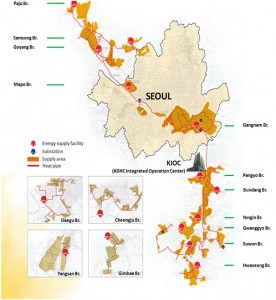
Korea District Heating Corporation (KDHC) has played a major role in developing efficient district heating and reducing air pollution since 1985. The company provides district heating and cooling while expanding its energy services across Korea. Connecting 11 business sites through heat pipes has improved energy efficiency and reduced environmental pollution. KDHC also plans to develop a metropolitan pipeline network connecting Seoul and Incheon to other heat suppliers. The company aims to strengthen district heating cooperation and knowledge sharing across Asia.
Our company, the Joint Stock Company “RĪGAS SILTUMS”, started its operation on the 1st of May 1996. Today, its shareholders are Riga City Council, the State of Latvia, the JSC “Enerģijas risinājumi.RIX” and JSC “LATVENERGO”. JSC “RĪGAS SILTUMS” is the major supplier of heat in Riga, almost 70% of heating. Gas is used as the main fuel source, however, as a result of modernisation and new technology’s, the use of local renewable resource like wood chips as an alternative fuel has been continuously increasing. Long term aims to reduce CO2 and fossil fuels have led to significant changes in a number of heat sources in Riga, thus contributing to diversification of fuel.