Winners in 2021

Richmond, Canada
Richmond’s Alexandra District Energy Utility uses renewable ground-source energy to provide low-carbon heating and cooling to more than 2,200 homes. By prioritizing clean energy over natural gas, the system reduces emissions, air pollution and fossil fuel dependence while supporting the city’s climate goals.
Canada
Emerging district energy market

Doha, Qatar
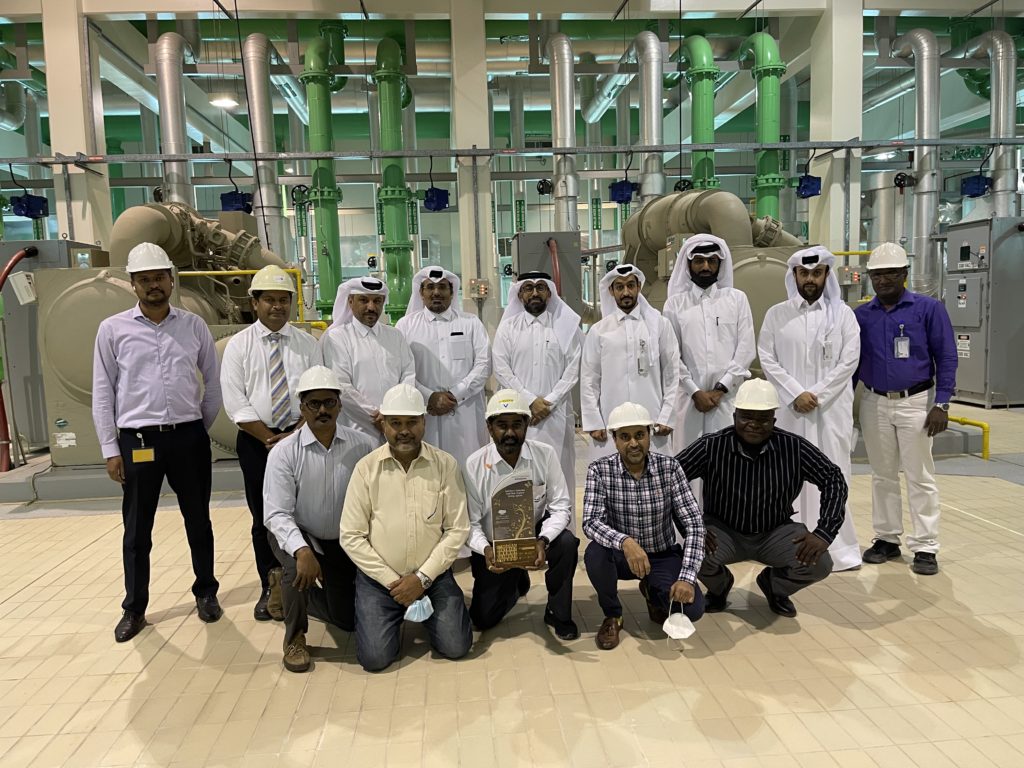
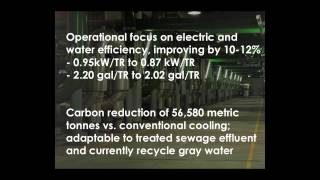
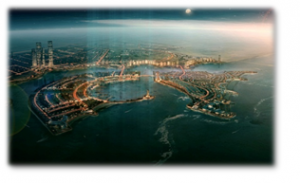
Qatar Foundation is advancing sustainable cooling at Education City, including World Cup facilities, through highly efficient district cooling. The system saves around 40% of electricity and 98% of potable water, while also integrating solar energy to further reduce its environmental impact.
Qatar
Expansion
Bolzano, Italy
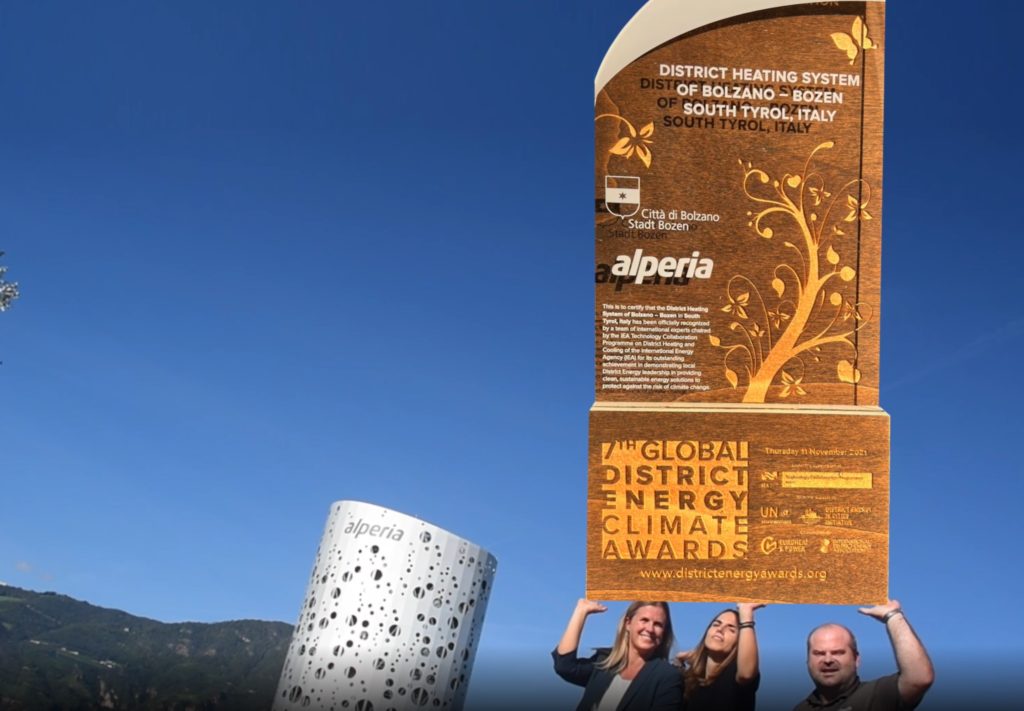
Bolzano has transformed its district heating network into a highly efficient, low-carbon system, achieving up to a 95% reduction in CO₂ emissions. Once fully developed, it is expected to save around 7.5 million m³ of gas and 15,000 tonnes of CO₂ every year.
Italy
Modernization
Rotterdam, The Netherlands
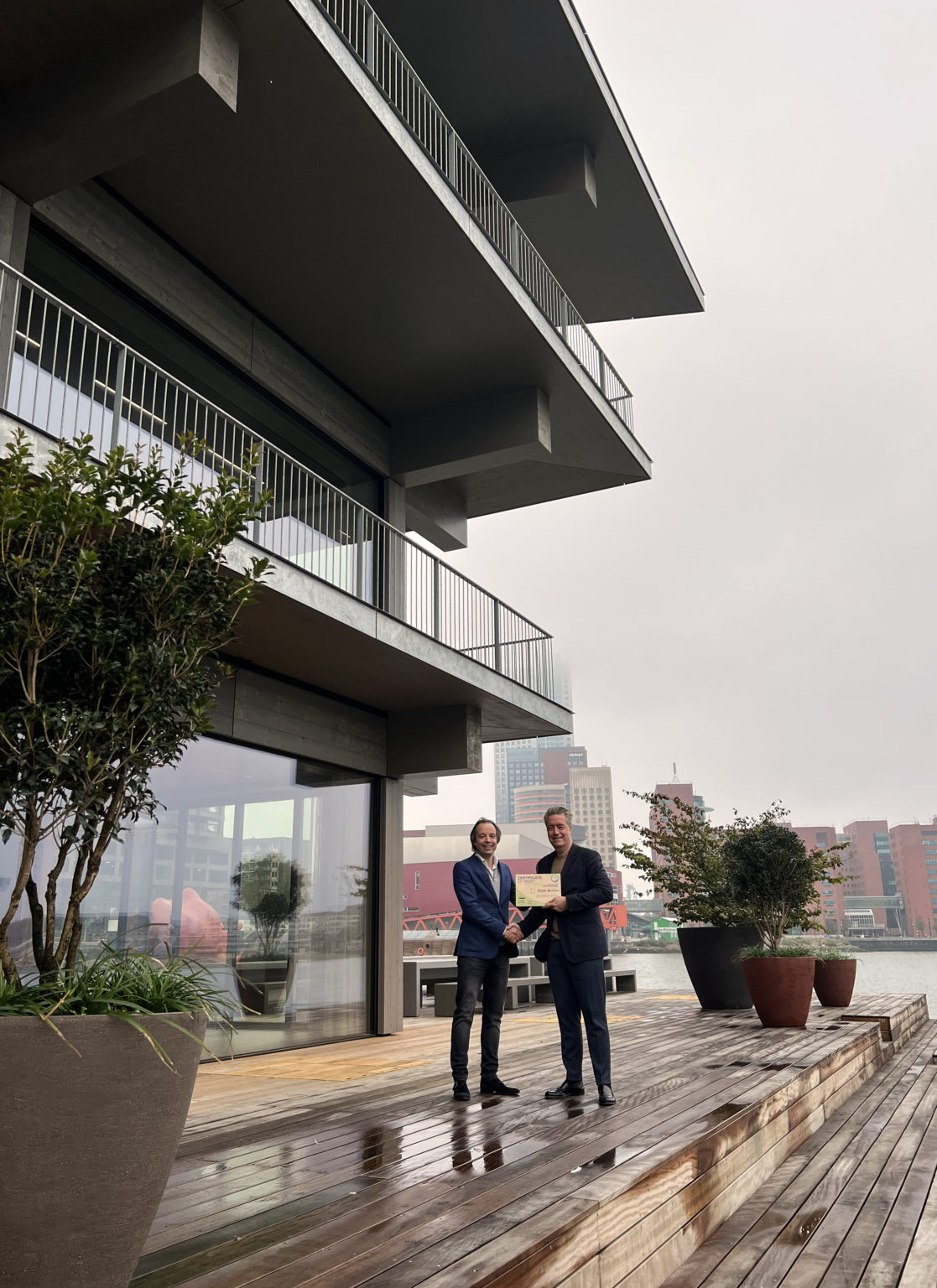
Rotterdam’s Floating Office combines climate-resilient architecture with a net-zero energy system. Its innovative heat pumps use the surrounding river water for heating and cooling, while rooftop solar panels supply all the electricity needed to operate the system.
Netherlands
Out of the box
Lund, Sweden
Lund is home to the world’s largest low-temperature district heating network, powered by fossil-free waste heat from major research facilities. This next-generation system turns science into heat, reducing energy losses while supporting the sustainable development of the new Brunnshög district.
Sweden
New scheme
Bangkok, Thailand
Bangkok’s Government Complex combines energy-efficient building design with advanced district cooling to reduce electricity demand, heat gain and environmental impact without compromising occupant comfort. Its success is now being extended to Zone C, covering more than 660,000 m².
Thailand
District energy in developing countries
Curacao, Dutch Caribbean
Zakito District Cooling aims to use deep seawater from 850 metres below Curaçao to cool major buildings, cutting CO₂ emissions by up to 96%. Beyond cleaner cooling, the project could also create hundreds of jobs and open a major new economic opportunity for Curaçao and the Caribbean.
Curacao
Out of the box