Winners in 2019
Mieres, Asturias, Spain
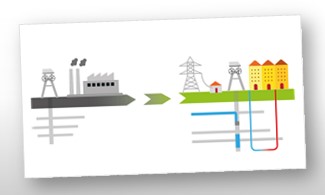
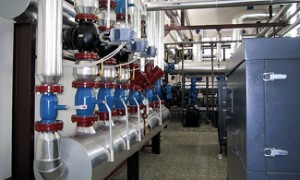
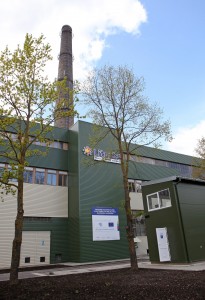
The Barredo Colliery Heating District uses geothermal energy from former coal mine water to provide sustainable district heating. Heat pumps extract energy from mine water at around 23°C and supply two public buildings and 245 homes. The network has a capacity of 2.2 MW for heating and domestic hot water. The system reduces CO₂ emissions by around 653 tonnes per year and keeps natural gas boilers mostly inactive. It is Spain’s largest geothermal district heating system and a model for future projects.
Spain
Emerging district energy market
Sippy Downs, Queensland, Australia
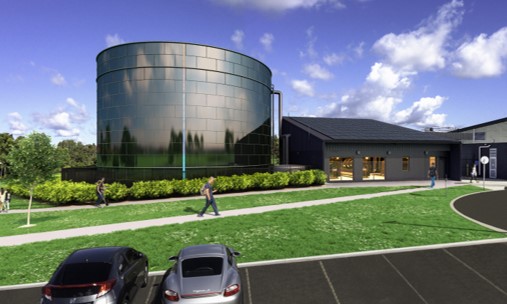
The University of the Sunshine Coast partnered with Veolia to develop a renewable energy system for campus cooling. The project integrates an 8.2 MW cooling plant, 2.1 MW rooftop solar system and 4.5 ML chilled water storage tank. Smart controls optimize energy use in real time and reduce the campus carbon footprint by 42%. Veolia owns, operates and maintains the infrastructure for 10 years before ownership transfers to USC. The project also acts as a Living Laboratory, giving students practical experience in sustainability and energy efficiency.
Australia
Out of the box

Kaunas, Lithuania
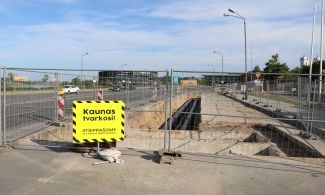
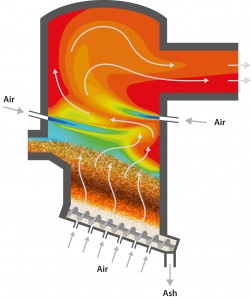
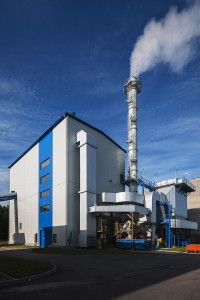
The Kaunas district heating system, operated by AB Kauno Energija, has significantly increased its use of renewable energy. The company invested in new biomass boilers and reconstructed major network pipelines. These investments helped reduce natural gas use from 95% to 10% while increasing renewable energy use to 90%. CO₂ emissions fell by 27.7%, while the average heat price decreased by 41.2%. The project demonstrates how biomass and network modernization can support cleaner and more affordable district
Lithuania
Modernization
Helsingborg, Sweden
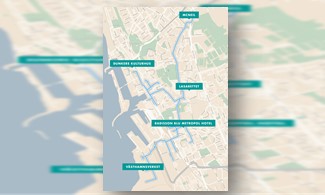
The Helsingborg district cooling system, operated by Öresundskraft, was modernized to reach 30 MW of cooling capacity while improving energy and environmental performance. The system uses cold seawater and absorption chillers powered by surplus industrial heat and waste incineration. These renewable and recovered energy sources reduce primary energy consumption and greenhouse gas emissions. The project also avoids HFC refrigerants, supporting more sustainable cooling. Fully operational since 2018, it demonstrates a scalable model for efficient city-wide district cooling.
Sweden
Expansion
Braunschweig, Germany
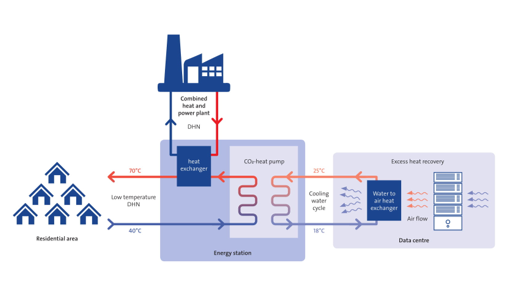
BS|ENERGY developed this project to recover waste heat from a data center and supply it to a new residential district heating network. A heat pump raises the recovered heat from 25°C to 70°C for heating and hot water. The system serves a new development of around 600 residential units. It also connects to the existing high-temperature district heating network to improve efficiency. The project demonstrates how urban waste heat can be reused to reduce emissions and improve energy efficiency.
Germany
New scheme