Winners in 2013
Joensuu, Finland
Joensuu has developed a trigeneration concept that adds bio-oil production to its existing district heating and CHP system. The project uses local biomass to produce bio-oil while reducing fossil fuel use and improving energy efficiency. Bio-oil production is expected to reduce greenhouse gas emissions by around 60,000 tonnes per year. The system also supports local businesses and creates around 50 jobs in the biomass supply chain. Joensuu demonstrates how district energy can expand into new sectors while supporting a low-carbon local economy.
Finland
Innovation
College StationTexas, USA
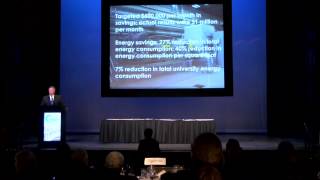
The Texas A&M University CHP project improves energy efficiency across the university’s large campus utility system. The upgrade includes a 32.5 MW gas turbine, heat recovery steam generator and an 11 MW steam turbine. The system supplies electricity and recovered heat for campus heating and domestic hot water. The project achieved over $1 million in savings during its first month of operation. It also supports lower energy consumption, improved reliability and more sustainable campus operations.
USA
Campus-sized systems

IthacaNew York, USA
Cornell University launched its Beyond Coal Initiative to reduce campus emissions and move away from coal-based heating. The project introduced a combined heat and power plant using natural gas turbines and heat recovery steam generators. The system reaches nearly 80% operational efficiency and provides most of the campus electricity and heating. Eliminating coal use reduces greenhouse gas emissions by around 55,000 tonnes per year. The project serves approximately 150 buildings across Cornell’s central campus.
USA
Campus-sized systems

Helsinki, Finland
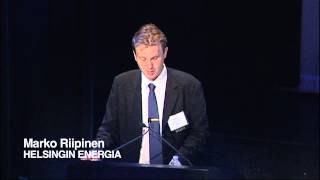
Helsingin Energia’s smart city solution combines CHP, district heating and district cooling to maximize energy efficiency. The system uses four CHP plants and recovers waste heat from across the energy chain. It supplies over 90% of Helsinki’s heating demand while also producing electricity and cooling. Energy storage, customer monitoring and optimization help improve efficiency and reduce energy consumption. The company aims to achieve CO₂-neutral energy production through continuous development of new solutions.
Finland
Expansion
St. Paul, Minnesota USA
District Energy St. Paul integrates district heating and cooling with biomass, CHP and solar energy. The system serves more than 32 million square feet while operating twice as efficiently as the former steam network. Solar thermal, waste heat and renewable fuels help reduce emissions and improve energy efficiency. The system also uses smart metering, customer data and advanced controls to optimize performance. The project demonstrates how integrated district energy can reduce carbon emissions while improving reliability and fuel flexibility.
USA
Modernization
QatarDoha, Qatar
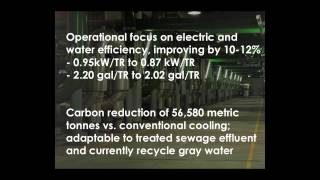
Qatar Cool provides large-scale district cooling solutions for residential, commercial and industrial areas in Qatar. Its Integrated District Cooling Plant on The Pearl-Qatar has a capacity of 130,000 tons of refrigeration. The plant uses 52 centrifugal chillers and is operated through a centralized SCADA system. It can also use treated sewage water and reuse cooling tower water for irrigation. The system serves more than 3.9 million m² and around 45,000 residents across over 100 towers.
Qatar
New scheme
Riyadh, Saudi Arabia
The PNUW project uses large-scale solar thermal energy to support heating and hot water for Princess Nora University. The system combines 36,305 m² of solar collectors with existing 70 MWth oil-fired boilers. The solar installation provides up to 25 MWth of renewable heat while reducing conventional fuel consumption and emissions. The system was specially designed to withstand Riyadh’s extreme heat, sandstorms and occasional freezing temperatures. The project demonstrates how solar thermal energy can be integrated into large district heating systems.
Saudi Arabia
Special Award
FalunFalun, Sweden
Falu Energi & Vatten has developed a climate-neutral energy system combining district heating, cooling and electricity production. The Västermalmsverket plant uses biomass and an absorption cooling system to improve energy efficiency. A wood pellet factory also increases renewable energy production during periods of low heating demand. The system reduces around 145,000 tonnes of CO₂ emissions annually. The project demonstrates an integrated and sustainable bioenergy solution for Falun.
Sweden
Modernization
Hengelo, Netherlands
Twence developed a system to recover surplus heat and steam from waste-to-energy and biomass plants. The project supplies heat to Enschede’s district heating network and steam to AkzoNobel’s salt production plant. These solutions replace gas-fired boilers and CHP plants while improving the use of energy from waste. Between 2011 and 2012, the projects saved over 120 million Nm³ of natural gas and avoided around 220,000 tonnes of CO₂. The system demonstrates how waste heat can support efficient and sustainable energy supply.
Netherlands
Modernization