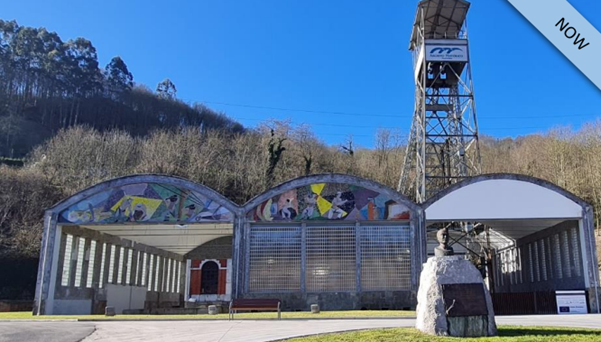
Langreo, Spain
Fondón shows how former coal infrastructure can become part of a clean energy future. In Asturias, HUNOSA uses geothermal energy from old mine water combined with biomass to provide reliable heating, while supporting innovation, lower emissions and the regeneration of local communities.
Spain
Emerging district energy market
2025
Salaspils, Latvia
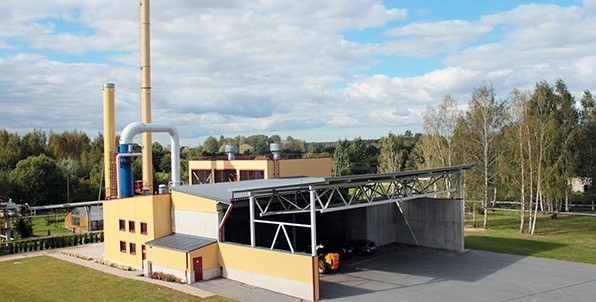
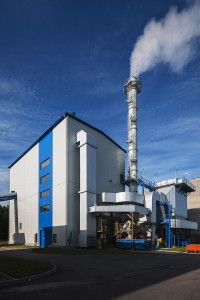
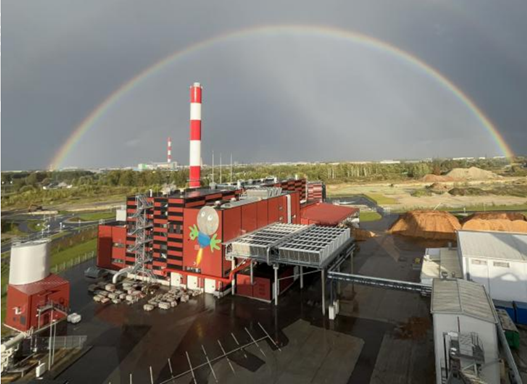
“Salaspils Siltums” has improved the efficiency of its district heating system and heat sources since 2010. The company fully reconstructed its heat network and installed high-efficiency gas boilers. A woodchip boiler house was added to increase energy independence and renewable energy use. The boiler was later upgraded with a flue gas condenser, automatic controls and remote data monitoring. The company also follows the ISO 50001 energy management standard to optimize resource consumption.
Latvia
Modernization
Mieres, Asturias, Spain
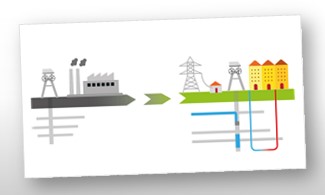
The Barredo Colliery Heating District uses geothermal energy from former coal mine water to provide sustainable district heating. Heat pumps extract energy from mine water at around 23°C and supply two public buildings and 245 homes. The network has a capacity of 2.2 MW for heating and domestic hot water. The system reduces CO₂ emissions by around 653 tonnes per year and keeps natural gas boilers mostly inactive. It is Spain’s largest geothermal district heating system and a model for future projects.
Spain
Emerging district energy market
Poznan, Poland
The system consists of a CHP plant and a 441 km heating network supplying more than 7.000 buildings, thereby covering more than half of heating demand in the city. Simultaneous heat, electric energy and ice water production enables the use of above 80% of energy contained in fuel. Further progress includes increased use of biomass to replace coal. Over 10 years more than 300 of its local coal resources have been eliminated and the existing gas and oil resources modernized. This has enabled significant reduction of CO2 emission, and almost complete elimination of SO2, soot and dust.
Poland
Special Award
Umeå, Sweden
80% of the total indoor area in the city is heated by district heating and the figure continues to rise. The network is 350 km long, growing fast and has replaced thousands of oil boilers and reduced the amount of electricity used for heating. The district heating is complemented by a district cooling based on heat pumps and absorption refrigerators. The sources of heat are mainly bio fuels and waste whereas the input for district cooling is mainly heat pumps and absorption chillers.
Sweden
Special Award
Falun, Sweden
Västermalmsverket is a combined heat and power plant producing both heat and electricity. The installation of an absorption cooling machine reduced electricity consumption compared with conventional cooling systems. At the same time, it increased electricity production at the plant. Falun is also developing a wood pellet factory to produce more renewable electricity during summer, when heat demand is lowest.
Sweden
Modernization
Richmond, Canada
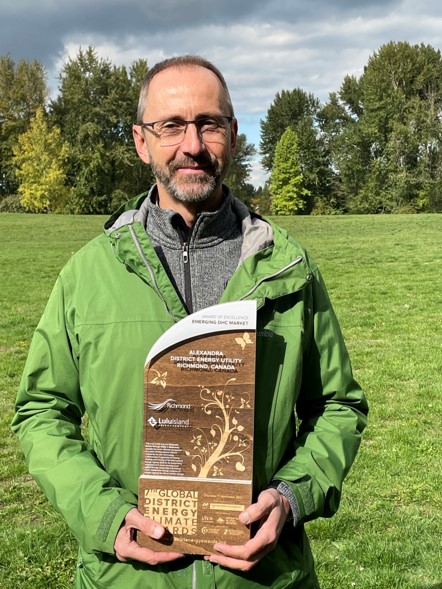
Richmond’s Alexandra District Energy Utility uses renewable ground-source energy to provide low-carbon heating and cooling to more than 2,200 homes. By prioritizing clean energy over natural gas, the system reduces emissions, air pollution and fossil fuel dependence while supporting the city’s climate goals.
Canada
Emerging district energy market
Amsterdam, The Netherlands
Amsterdam’s district heating programme began in the early 1990s, with the city deciding in 2005 to expand the network to new construction projects wherever feasible. The system reduces CO₂ emissions by 50–80% and grew to 50,000 consumers in 2010. The City of Amsterdam and NUON cooperate through WPW to further expand district heating. NUON also developed district cooling using deep lakes as a natural cold source, reducing CO₂ emissions by 75% and avoiding harmful cooling fluids.
Netherlands
Expansion of an existing scheme

Gothenburg, Sweden
Gothenburg’s district heating system originally consisted of eight separate heating networks powered by oil-fired plants. Rising oil prices made the system economically unsustainable, leading Göteborg Energi to connect the eight networks into one large system. From the 2000s, the city increasingly integrated waste heat from power plants, refineries and waste incineration. The Rya heating plant was also converted from natural gas to wood pellets in 2003. Today, nearly 80% of Gothenburg’s district heating comes from recovered waste heat.

Sweden
Modernization